How to Start a DTF Transfer Business from Home: Complete Step-by-Step Guide
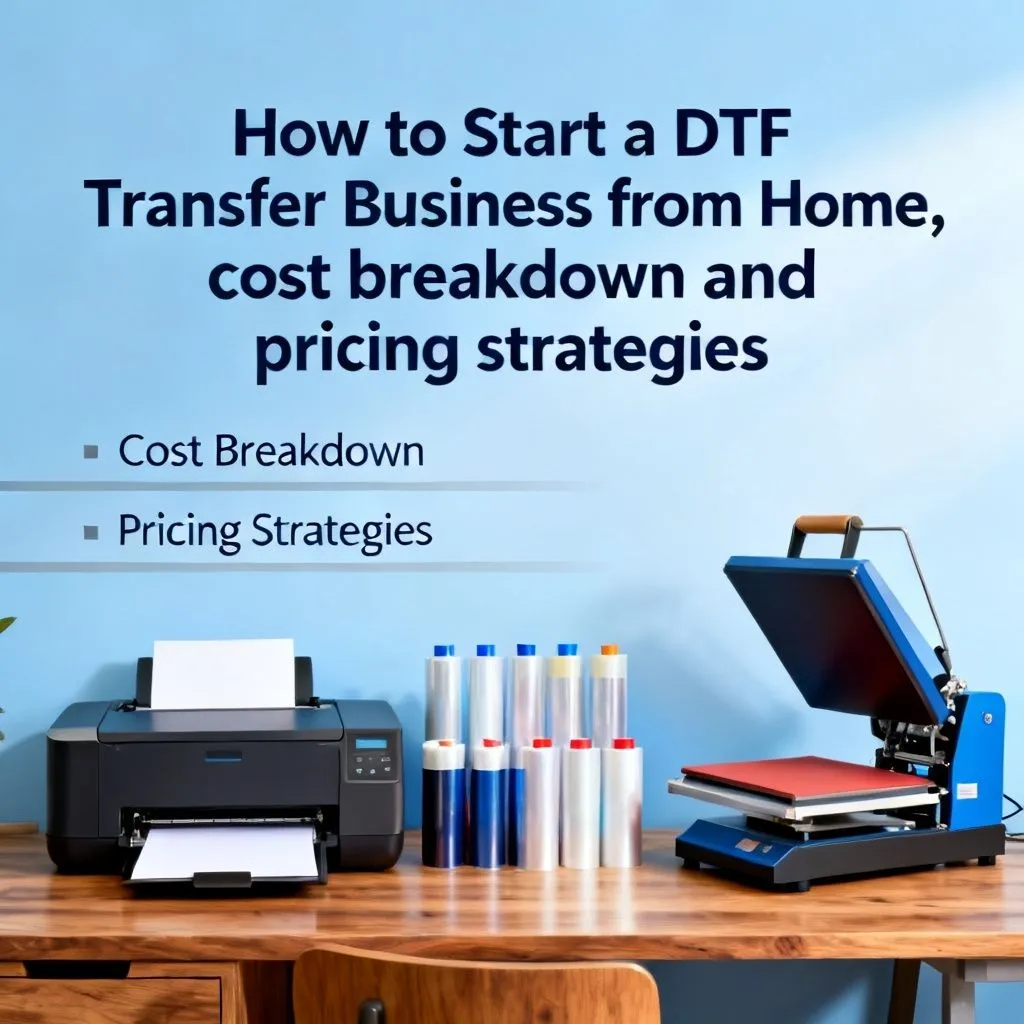
Starting a DTF transfer business from home is one of the most accessible and profitable moves an aspiring entrepreneur can make in 2026. With startup costs as low as $5,000, no minimum order requirements, and a growing demand for custom apparel across every niche imaginable, DTF printing has quietly become the go-to entry point for home-based print businesses.
In this guide, you will learn exactly what equipment you need, how much it really costs to get started, the legal steps to set up your business properly, and how to find your first paying customers — all without renting a commercial space or investing in an expensive franchise. Whether you are a complete beginner or exploring a side hustle that could replace your day job, this guide covers everything you need to launch confidently.
What Is a DTF Transfer Business (And Why Start One from Home)?
DTF Printing Explained
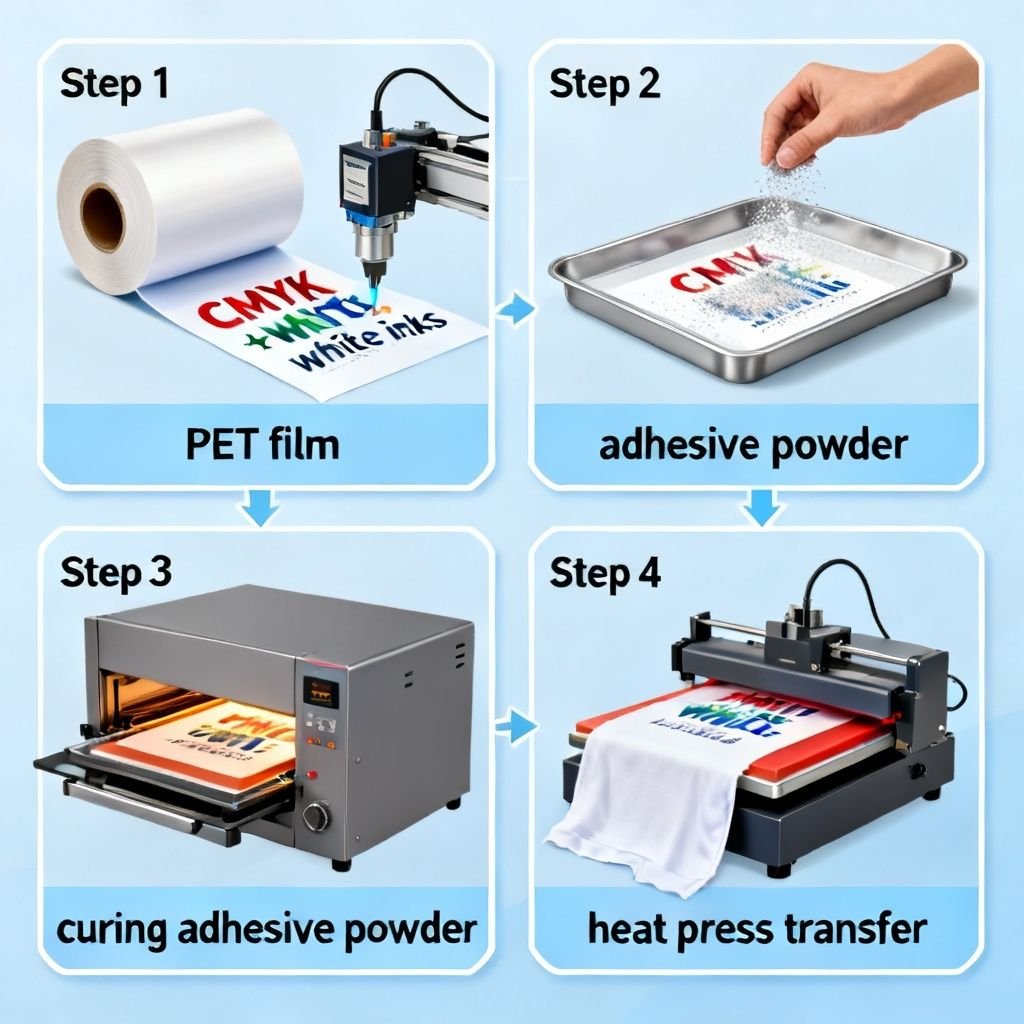
DTF stands for Direct-to-Film. It is a printing process where designs are printed onto a special PET transfer film using CMYK and white inks, then coated with a hot melt adhesive powder, cured, and pressed onto fabric using a heat press. The result is a vibrant, durable, full-color transfer that adheres to virtually any fabric type — cotton, polyester, nylon, blends, and even leather.
Unlike screen printing, which requires separate screens for each color, or DTG (direct-to-garment) printing, which needs pre-treated garments, DTF works straight out of the box on almost any surface. You print the design, press it, and the job is done. This simplicity is exactly what makes it ideal for a home-based operation.
Why Home-Based DTF Is Different from a Print Shop
A commercial print shop typically runs multiple machines, employs staff, handles high-volume orders, and carries significant overhead. A home-based DTF business is built differently. You are usually a one-person operation focused on speed, flexibility, and low overhead. Your competitive advantage is not volume — it is responsiveness, personalization, and low minimums.
Home DTF operators routinely serve customers who cannot afford commercial print shop minimums (often 24-48 pieces per design). You can profitably print a single gang sheet, fulfill a 6-piece order, or turn around a rush job the same day. That agility is something commercial shops simply cannot offer.
Two Business Models: Print-for-Hire vs. Ready-to-Press Transfers
Before you invest in equipment, you need to decide which model fits your goals:
Print-for-hire: You accept custom orders from businesses, schools, event organizers, and apparel brands. They bring the design, you produce the transfers (and optionally press them onto finished garments). This model generates reliable, recurring revenue from consistent client relationships.
Ready-to-press transfers: You produce pre-made designs and sell them as heat-transfer products on platforms like Etsy, Shopify, or Amazon. Customers buy your designs and press them at home. This model scales better online but requires inventory management and design skills.
Many successful home DTF businesses combine both — fulfilling custom orders during peak demand while maintaining an Etsy store with ready-to-press designs for passive income.
Is Starting a DTF Business from Home Worth It in 2026?
DTF Market Size and Growth Data
The custom apparel and decoration market was valued at approximately $6.2 billion in 2023 and is projected to grow at a compound annual rate of 9.7% through 2030. DTF printing is capturing an increasingly large share of this market, particularly in the $50-$500 order range where screen printing is cost-prohibitive and DTG is too slow.
Industry data from print trade publications suggests that between 2021 and 2024, the number of small DTF operations in the United States more than tripled, driven largely by the falling price of entry-level DTF printers and the explosion of print-on-demand culture on social platforms.
Explore DTF Gang Sheet Builder
Real Profit Margin Examples (Per Sheet, Per Order)
A standard 22×24 inch gang sheet costs between $1.80 and $3.00 in materials (film, ink, powder) depending on your printer and ink brand. Selling that same sheet to a customer typically yields between $18 and $28 — a gross margin of 80-90% on materials alone. When you factor in labor and overhead, net margins typically land between 55% and 70% for experienced operators.
A typical home DTF business doing 15-25 gang sheets per day, five days a week, can generate between $3,000 and $7,000 in monthly revenue at retail pricing — with materials costs between $600 and $1,500.
Who This Business Model Works Best For
A home-based DTF business is an excellent fit if you are comfortable learning new technology, enjoy a mix of creative and operational work, have a spare room or garage you can dedicate to production, and want a business with tangible physical output. It works especially well for former crafters, graphic designers, Etsy sellers looking to expand, and people with experience in apparel or promotional products.
What Equipment Do You Need to Start DTF Printing at Home?
The Essential DTF Equipment List (With Current Prices)
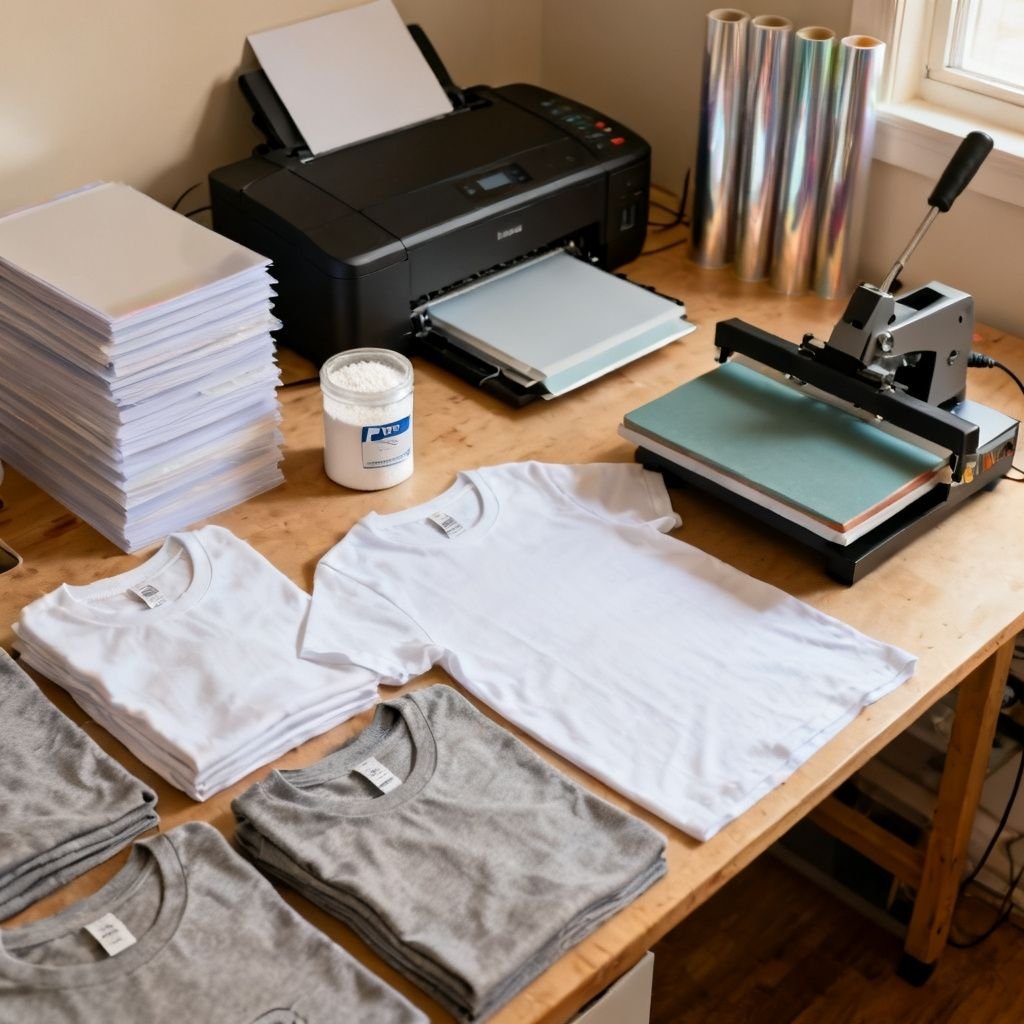
You do not need a warehouse full of machines to start. The core DTF setup consists of four components: a DTF printer, a curing oven or powder shaker, a heat press, and RIP (raster image processing) software. For a full breakdown, see our complete DTF equipment list.
| Setup Tier | DTF Printer | Heat Press | Powder Shaker | RIP Software | Est. Total |
| Starter | L1800 mod (~$2,200) | Swing-away 15×15 (~$400) | Manual/oven (~$150) | Included or ~$200 | ~$3,000 |
| Standard | i1600 A3+ (~$4,500) | Clamshell 16×20 (~$600) | Semi-auto (~$400) | ~$300 | ~$5,800 |
| Professional | i3200 A2 (~$8,000) | Pneumatic 16×24 (~$1,200) | Auto shaker (~$900) | ~$500 | ~$10,600 |
Prices are estimates based on 2026 market data and will vary by supplier and region.
For most people starting a DTF transfer business from home, the Standard tier provides the best balance of output quality, speed, and initial investment.
Which DTF Printer Is Best for Home Use?
The most common entry-level choice in 2026 remains the modified Epson L1800 or its successor models, primarily because of its low cost, wide availability of replacement parts, and large online support community. Purpose-built DTF printers from brands like Epson (SC-F series), xTool, and Prestige are gaining market share due to better out-of-box reliability and ink systems designed specifically for DTF chemistry.
For a home-based operation producing under 30 sheets per day, an A3+ format printer is sufficient. If you plan to scale quickly, consider investing in an A2 or larger format printer from the start to avoid an early upgrade cycle.
Heat Press Requirements and Recommendations
Your heat press is the most important piece of equipment in terms of output quality consistency. For DTF transfers, you need a press capable of reaching 280-320°F (138-160°C) with even pressure distribution. Cheap spring-loaded presses often have hot spots and uneven pressure, which leads to transfer failures and peeling. A swing-away press is preferred over a clamshell design, and look for digital temperature control accurate to within ±5°F.
Step-by-Step: How to Set Up Your DTF Business from Home
Step 1 — Choose Your Business Model and Niche
Decide whether you are targeting custom orders, ready-to-press transfers, or both. The most profitable home DTF operators own a specific vertical such as youth sports, faith-based organizations, local restaurants, or event merchandise.
Step 2 — Set Up Your Workspace
DTF printing requires a dedicated space with adequate ventilation. The powder curing process produces fumes that require a well-ventilated room or a dedicated powder cure oven with a filtered exhaust. A space of 100-150 square feet is sufficient. Keep your workspace between 65-80°F and below 60% relative humidity — DTF ink and film are sensitive to environmental conditions.
Step 3 — Purchase and Configure Your Equipment
Order from a reputable DTF supplier who provides setup support and replacement ink. Avoid the cheapest options — counterfeit ink causes printhead clogging and dramatically shortens printer life. Run nozzle checks and complete at least 3-5 calibration test sheets before printing customer jobs.
Step 4 — Choose Your RIP Software
RIP (Raster Image Processor) software controls ink density, white ink layering, color profiles, and print speed. Popular options include Kothari Print PRO, Wasatch SoftRIP, and Maintop. Never print directly from design software — proper RIP usage prevents ink oversaturation and significantly extends printhead life.
Step 5 — Calibrate Colors and Run Test Prints
Print at least 10-15 test sheets across different design types and wash them 5+ times to verify durability before accepting customer orders.
Step 6 — Set Up Your Business Legally
Registering an LLC provides personal asset protection and looks more professional to B2B clients. In most US states, LLC registration costs between $50 and $500. You will also need a free EIN from the IRS and a sales tax permit from your state. Check local zoning laws regarding home-based commercial operations.
Step 7 — Create Your Online Presence
At minimum, set up a Google Business profile, an Etsy shop, and a business Instagram account before your first customer order. As you grow, building a Shopify store with a gang sheet ordering system will dramatically increase your average order value and reduce back-and-forth communication with customers.
How Much Does It Cost to Start a DTF Business from Home?
This is the question most guides answer vaguely. Here is a specific, itemized breakdown. For a deeper dive, see our DTF startup costs guide.
| Cost Category | Starter (~$5k) | Growth (~$10k) | Pro (~$25k) |
| DTF Printer | $2,200 | $4,500 | $8,000-$12,000 |
| Heat Press | $400 | $600 | $1,200 |
| Powder Shaker/Oven | $150 | $400 | $900 |
| RIP Software | $200 | $300 | $500 |
| Initial Ink + Film Supply | $400 | $700 | $1,200 |
| Business Setup (LLC, EIN) | $150 | $150 | $200 |
| Website + Storefront | $0-$100 | $200 | $500 |
| Marketing (first 90 days) | $200 | $600 | $1,500 |
| Miscellaneous + Buffer | $300 | $550 | $1,000 |
| Estimated Total | ~$4,000-$5,200 | ~$8,000-$10,000 | ~$15,000-$18,500 |
Hidden Costs Beginners Miss
Printhead replacement costs between $150 and $600 and typically happens every 6-18 months. White ink maintenance consumes approximately $50-$100/month. Electricity for running a curing oven and heat press adds $60-$120/month to utility bills. Always budget for these before launch.
How Long to Break Even?
At the Standard budget level ($8,000-$10,000), most operators break even within 4-8 months at realistic production volumes of 10-20 gang sheets per day.
How to Get Your First DTF Customers (Without Paid Ads)
Start With Your Existing Network
Text or message 20 people in your network who run small businesses, coach youth sports, organize events, or manage teams. Show them a sample and offer a new customer discount. Most home DTF operators land their first 2-5 paying orders within the first week of proactive outreach.
List on Etsy and Shopify
Etsy is the highest-intent marketplace for custom printing customers in the US. New Etsy shops with good photos and a clear niche typically see their first organic orders within 30-60 days. Pair your Etsy presence with a Shopify store for better control, higher margins, and email marketing capabilities.
Local Outreach — Who to Call and What to Say
The highest-value local targets are youth sports leagues, school booster clubs, local restaurants, gyms, and faith-based organizations. A simple script: “I run a local custom transfer printing business with no minimums and fast turnaround. Can I bring you a free sample?” In-person sample delivery is consistently the most effective new client acquisition method for home DTF operators.
Join DTF Facebook Groups and Communities
Groups like “DTF Transfer Printing” and “DTF Gang Sheet Creators” have tens of thousands of active members. Being genuinely helpful in these communities generates inbound inquiries faster than most paid advertising.
7 Common Mistakes When Starting a DTF Business from Home
This section covers the mistakes that most beginner guides completely ignore — but that consistently cost new operators time and money.
- Buying the cheapest printer available. The true cost of ownership on a $1,200 budget printer often exceeds that of a $3,500 mid-range unit within 18 months due to maintenance costs and shorter lifespan.
- Skipping RIP software. Printing directly from design software produces over-inked transfers, poor white under-base performance, and premature printhead failures.
- Not testing transfers before customer orders. A transfer that looks perfect off the press may peel after the first wash. Always wash-test across multiple fabric types.
- Underpricing to win customers. Prices that are too low attract low-quality customers and make it very difficult to raise prices later.
- Ignoring ventilation requirements. The powder curing process produces particulate matter that should not be inhaled regularly.
- No written order system. Accepting orders verbally or through informal messages leads to miscommunications and wasted materials.
- Treating it like a hobby rather than a business. Successful home DTF operators track costs, set production targets, maintain equipment on schedule, and communicate with customers professionally.
DTF Business from Home vs. Renting a Commercial Space
| Factor | Home-Based | Commercial Space |
| Monthly overhead | $100-$300 (utilities only) | $800-$2,500 (rent + utilities) |
| Zoning restrictions | Possible limitations | None |
| Scalability | Limited by space | High |
| Customer perception | Lower (some B2B clients) | Higher |
| Daily commute | None | Yes |
| Home office tax deduction | Yes | No |
| Best for | Under $10k/mo revenue | Over $15k/mo revenue |
Frequently Asked Questions
Can I start a DTF business with no experience?
Yes. DTF printing has a learning curve of 2-4 weeks for most beginners. The key skills — loading ink, running calibration prints, managing color profiles, and operating a heat press — are all learnable through manufacturer documentation, YouTube tutorials, and active community groups.
How much space do I need for a DTF printer at home?
A minimum working space of 80-100 square feet is sufficient for an entry-level setup. A spare bedroom or single-car garage works well as long as ventilation requirements are met.
Do I need a business license to sell DTF transfers?
Requirements vary by state and municipality. At minimum, you need to register your business name and obtain a sales tax permit in most US states. An LLC registration is strongly recommended for liability protection.
How long does it take to learn DTF printing?
Most beginners produce acceptable output within 1-2 weeks and professional-grade output within 4-8 weeks of consistent practice.
Can I run a DTF business part-time?
Absolutely. A schedule of 2-3 hours on weekday evenings and 6-8 hours on weekends is sufficient to generate $1,500-$3,000/month once you have established a customer base.
Conclusion
The path to a profitable printing operation does not require a commercial lease, a large team, or years of industry experience. The tools are accessible, the demand is real, and the margins are strong.
Ready to grow your DTF business with the right marketing behind it? At imakedtf.com, we help print shops and home-based operators attract more customers, build their brand, and scale faster. Get in touch →
Starting a DTF transfer business from home is not just a viable path to entrepreneurship in 2026 — for the right person with the right systems, it is one of the best low-overhead, high-margin businesses available today.